

Our Projects
Advancing Knowledge
At Fundação Cuerama, advancing knowledge is central to achieving inclusive, equitable, and sustainable development. In rural and remote communities, limited access to education reinforces cycles of inequality. By establishing and sustaining formal education pathways in Cuerama, the Foundation directly contributes to SDG 4 – Quality Education, ensuring that children, youth, and adults have access to continuous, relevant, and lifelong learning opportunities.

Teacher writing on the blackboard
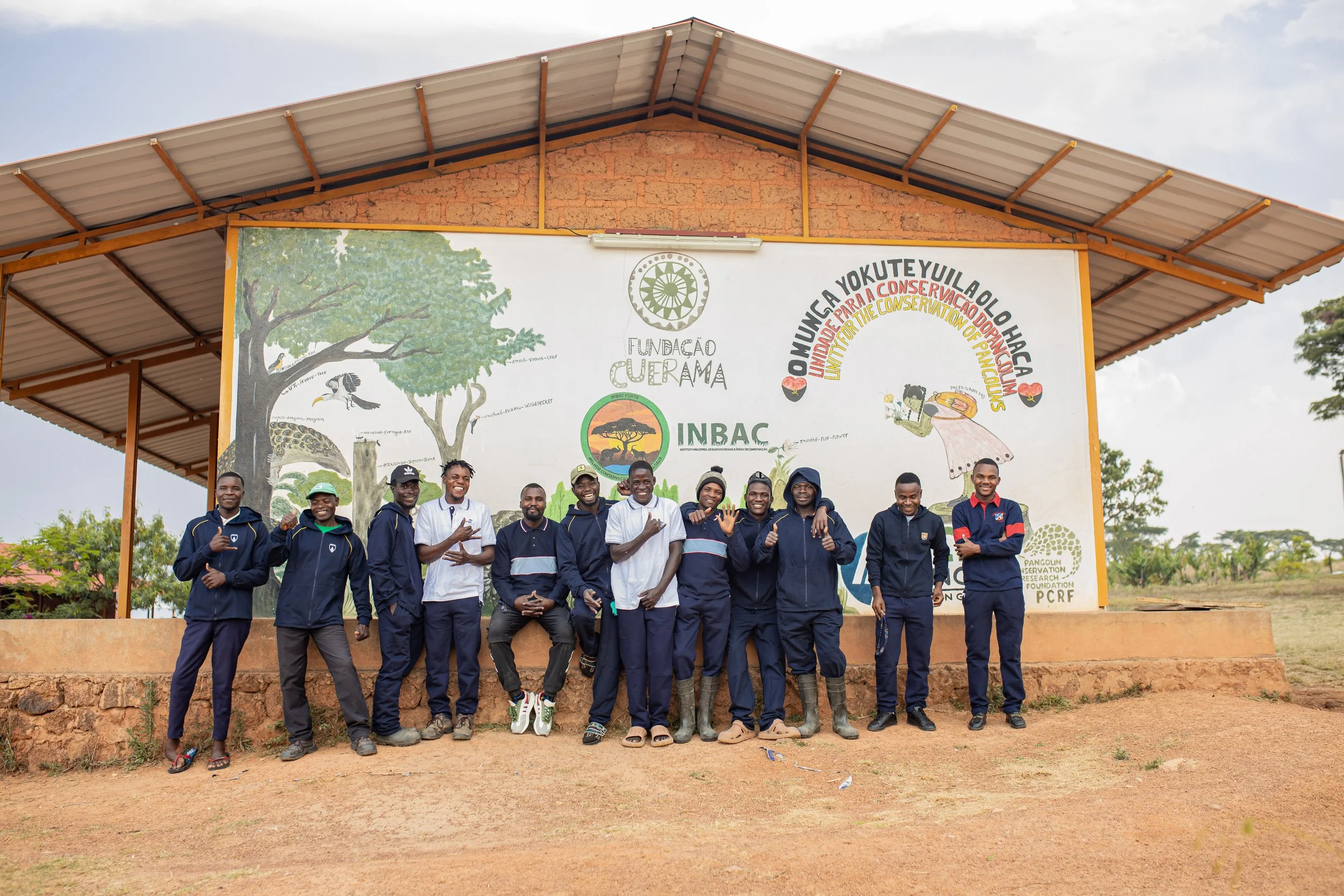
Youth from Conservation Club
Learning Beyond the Classroom
Education in Cuerama extends beyond the classroom and into the landscape itself.
Through initiatives such as the Conservation Club, students engage with their environment as a living classroom, learning about climate action, biodiversity conservation, agroforestry, and the protection of Traditional Ecological Knowledge (TEK). This approach strengthens environmental awareness and stewardship, supporting climate action and life on land, while valuing Indigenous and local knowledge systems as essential to resilient development.
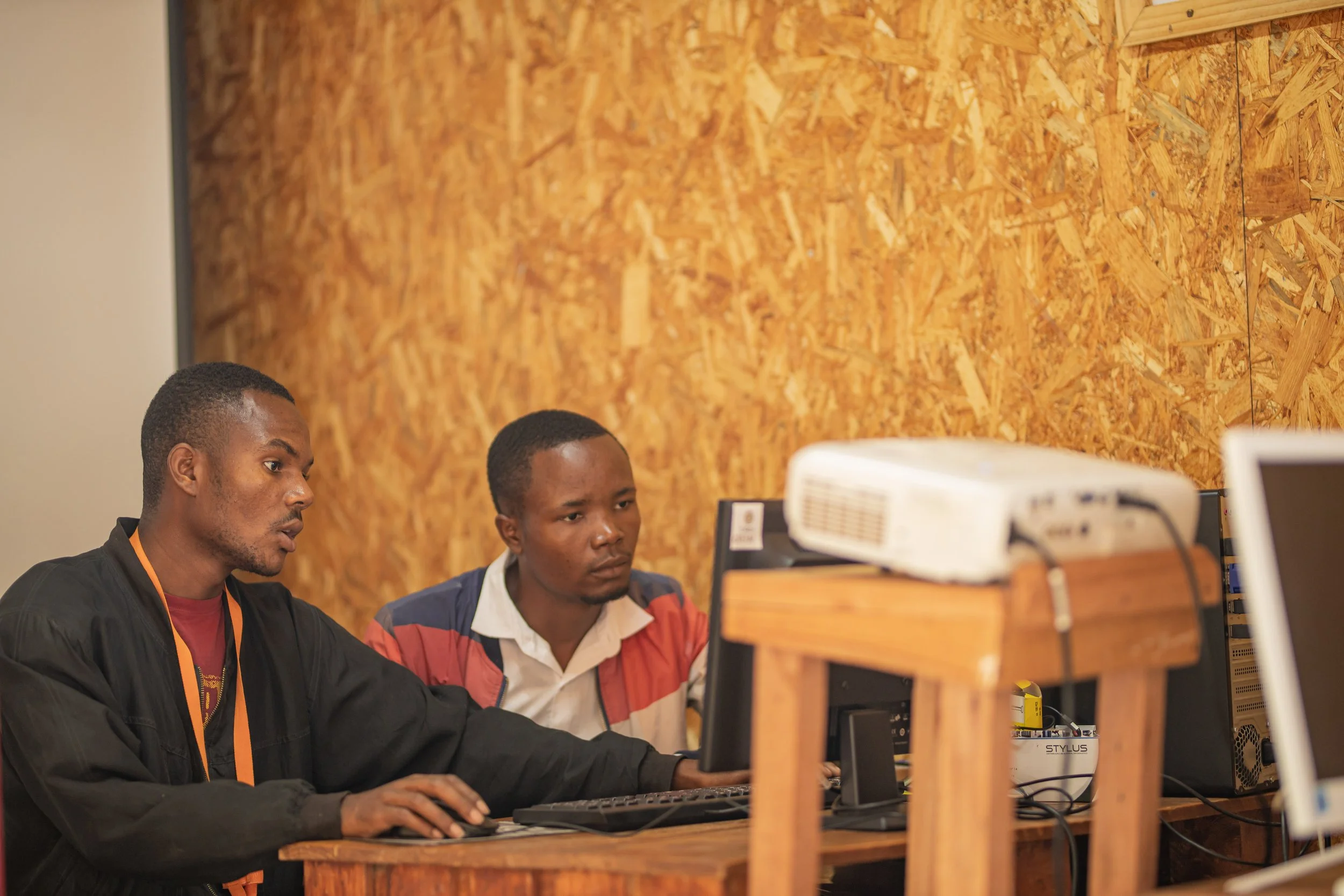
E-learning Library
Digital Inclusion
To reduce digital divides, Fundação Cuerama promotes digital inclusion through a well-equipped library and training center, advancing innovation and infrastructure and reducing inequalities. Access to computers, the internet, and digital literacy training strengthens both children and adults to connect, learn, and participate more fully in today’s knowledge-driven world.
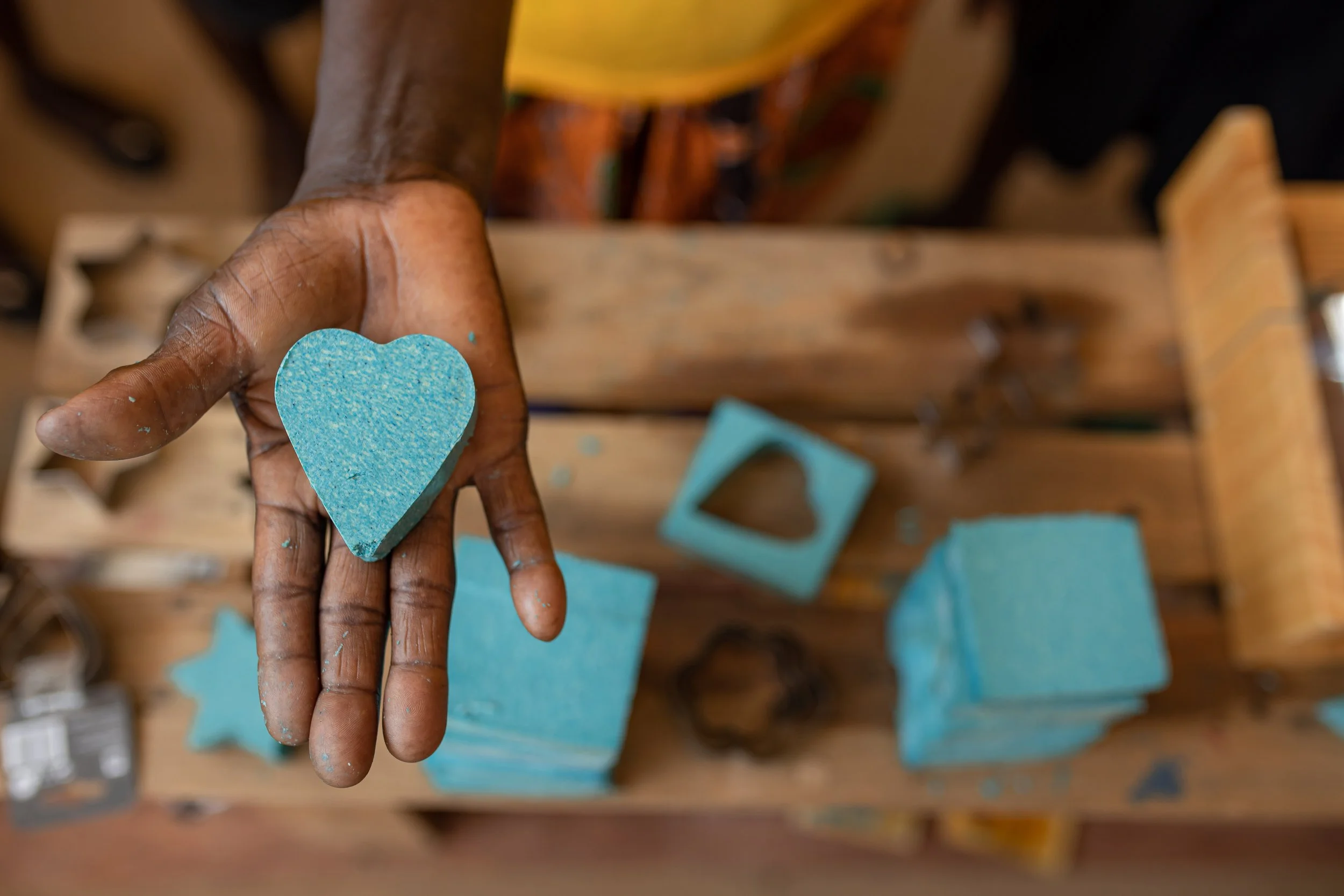
Soap making workshop - Photo by Adriano
Learning is also practical and economically relevant. Through pedagogical workshops, including bread making, carpentry, soap production, sewing, pottery, and basketry, community members gain vocational skills that support entrepreneurship and income generation. These initiatives strengthen local livelihoods and support small, demonstrated businesses rooted in community needs.
For adults, financial inclusion programs reinforce these efforts by building savings practices, financial literacy, and long-term household resilience
Vocational & Financial Skills
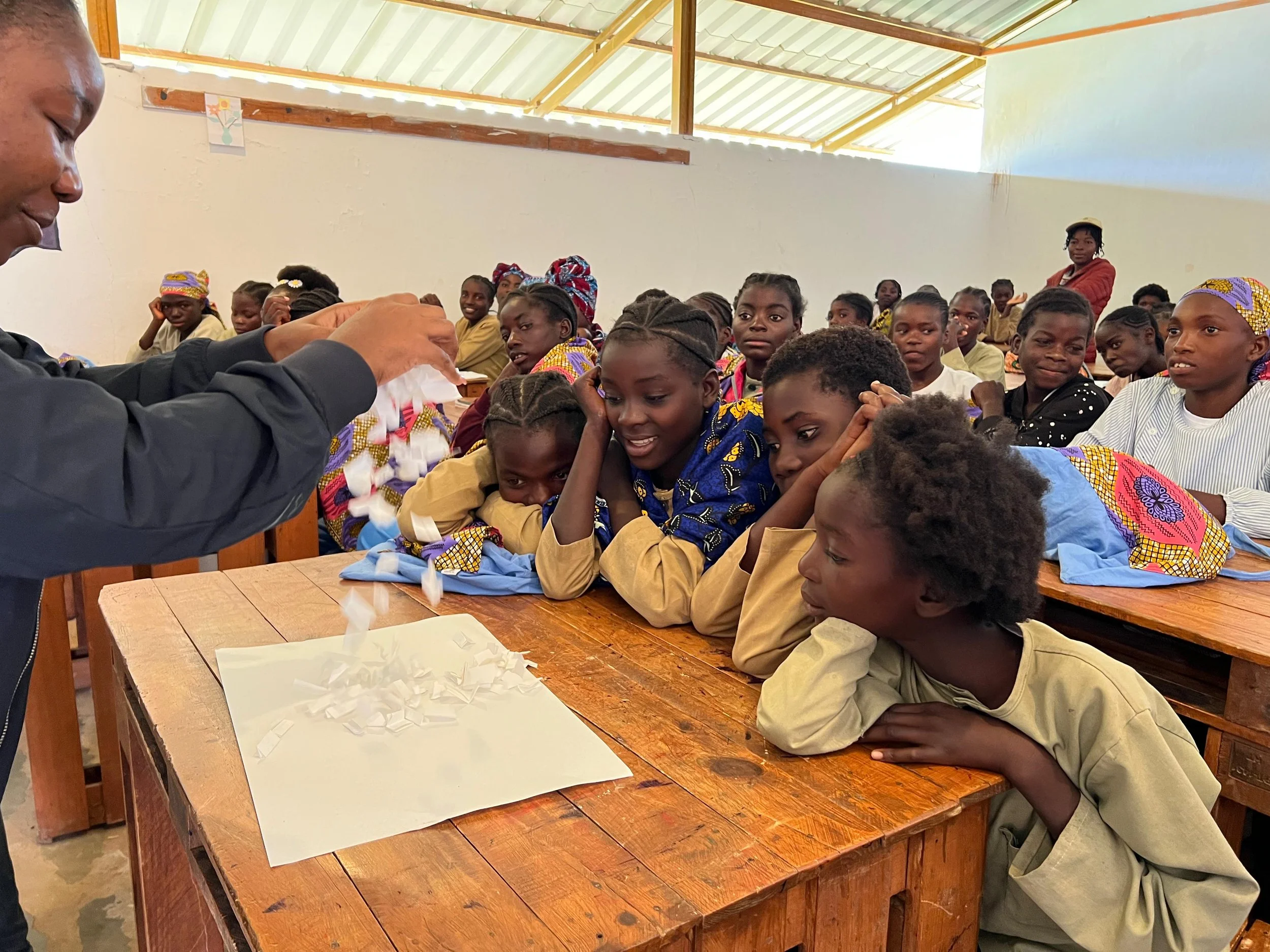
The Girls Club
Advancing knowledge also means ensuring that girls remain in school. In many rural contexts, girls face higher dropout rates following the onset of menstruation due to stigma and misinformation (1 in 3 Angolan girls between 5 and 17 never attend school, and 11.6% dropout after primary education). Through the Girls Club, Fundação Cuerama addresses menstrual health, reproductive education, and gender norms, engaging both students and families. This work supports gender equality and reinforces the right of every girl to complete her education with dignity and confidence.
Girls’ Education
Livelihoods & Beekeeping Center
Beekeeping offers dignified income with low start-up costs while protecting forests and strengthening food systems through pollination. Rooted in Traditional Ecological Knowledge, this initiative creates value from standing nature with no trees cut and no forests cleared.
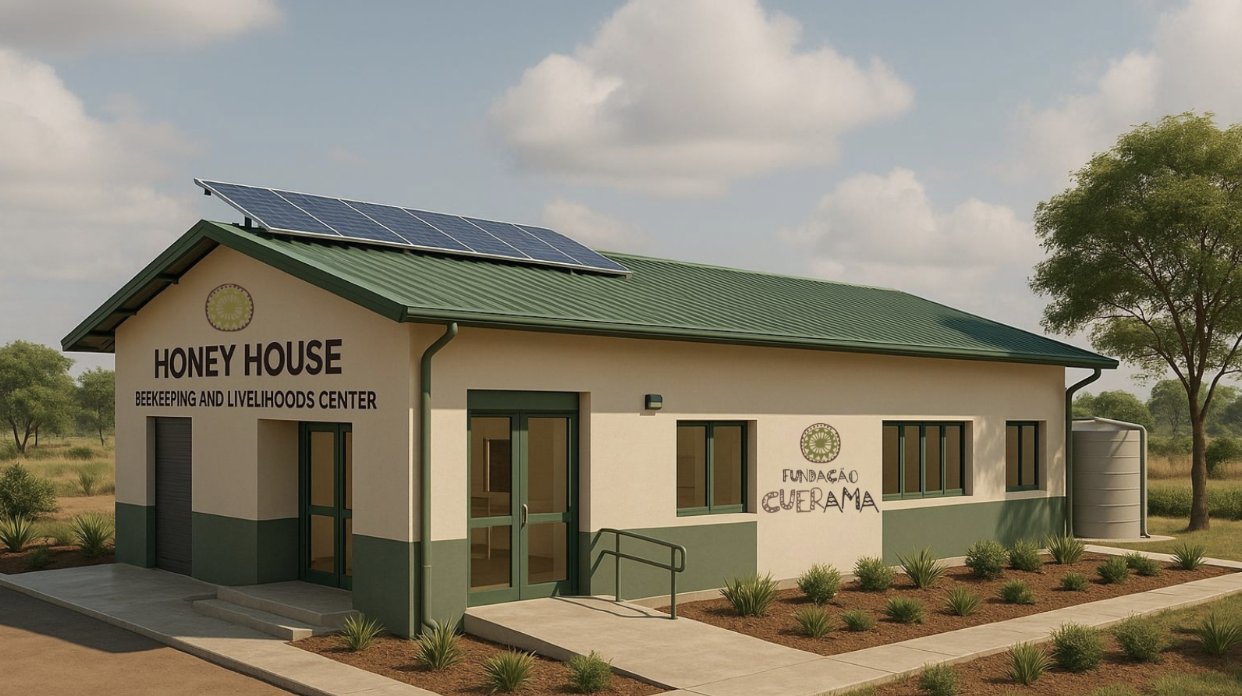
AI generated image of the Honey House
-
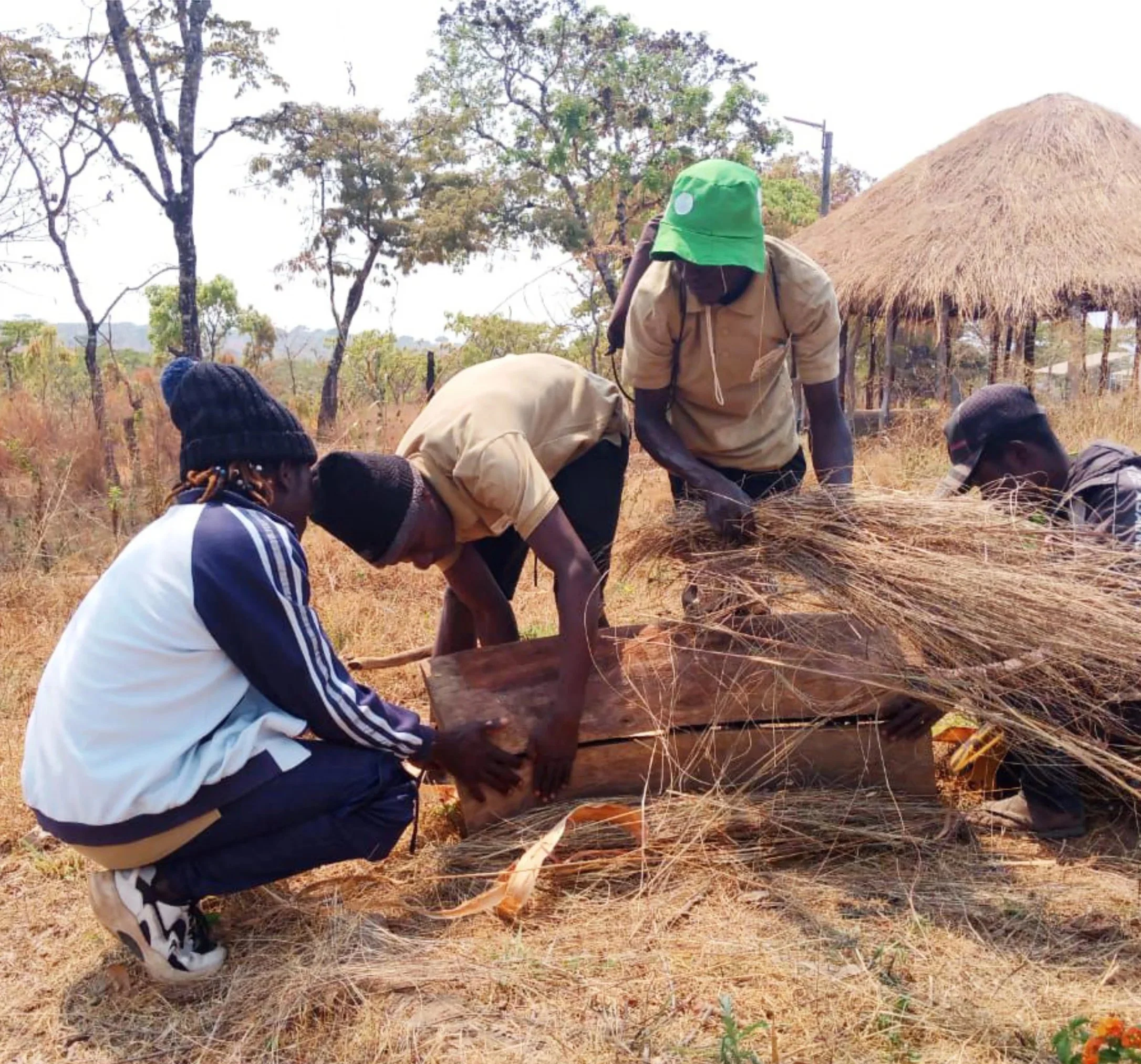
Community Owned & Led
• Built on FPIC and participatory workshops in Lonhe municipality, Cuanza Sul, Angola.
• Women and youth prioritized for training and enterprise roles.
• Cooperatives own the process; Friends of Cuerama and Fundação Cuerama enable financially, capacity building and market access.
Image: Forest Guardians beekeepers -
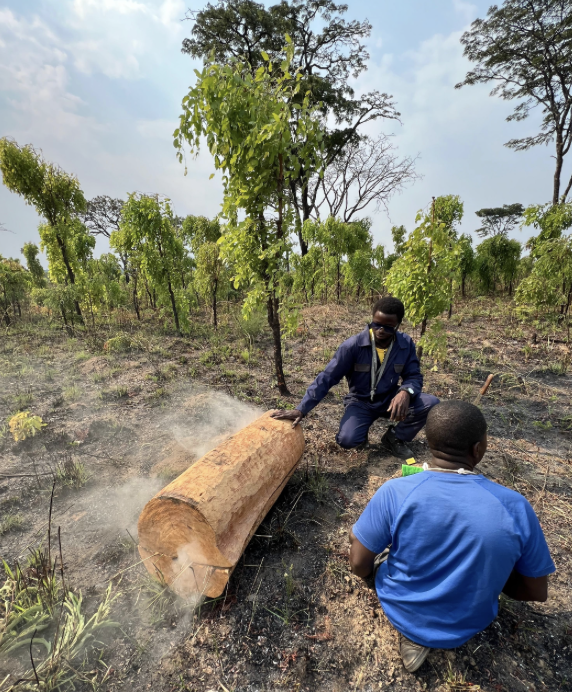
What We Will Build
• Training and certification hub (quality, hygiene, safety, traceability).
• Processing unit (extraction, filtering, moisture control, packaging).
• Equipment bank (hives, suits, smokers, presses) for member co-ops.
• Pollination and ecosystem services lab (community monitoring of forests and wild pollinators).
• Marketplace & aggregation point to negotiate fair prices.
Image: Beekeepers in Cuerama checking a beehive
-
Community Owned & Led
• Built on FPIC and participatory workshops in Lonhe municipality, Cuanza Sul, Angola.
• Women and youth prioritized for training and enterprise roles.
• Cooperatives own the process; Friends of Cuerama and Fundação Cuerama enable financially, capacity building and market access.
Image: Forest Guardian Beekeepers -
What We Will Build
• Training and certification hub (quality, hygiene, safety, traceability).
• Processing unit (extraction, filtering, moisture control, packaging).
• Equipment bank (hives, suits, smokers, presses) for member co-ops.
• Pollination and ecosystem services lab (community monitoring of forests and wild pollinators).
• Marketplace & aggregation point to negotiate fair prices.
Image: Beekeepers in Cuerama checking a beehive
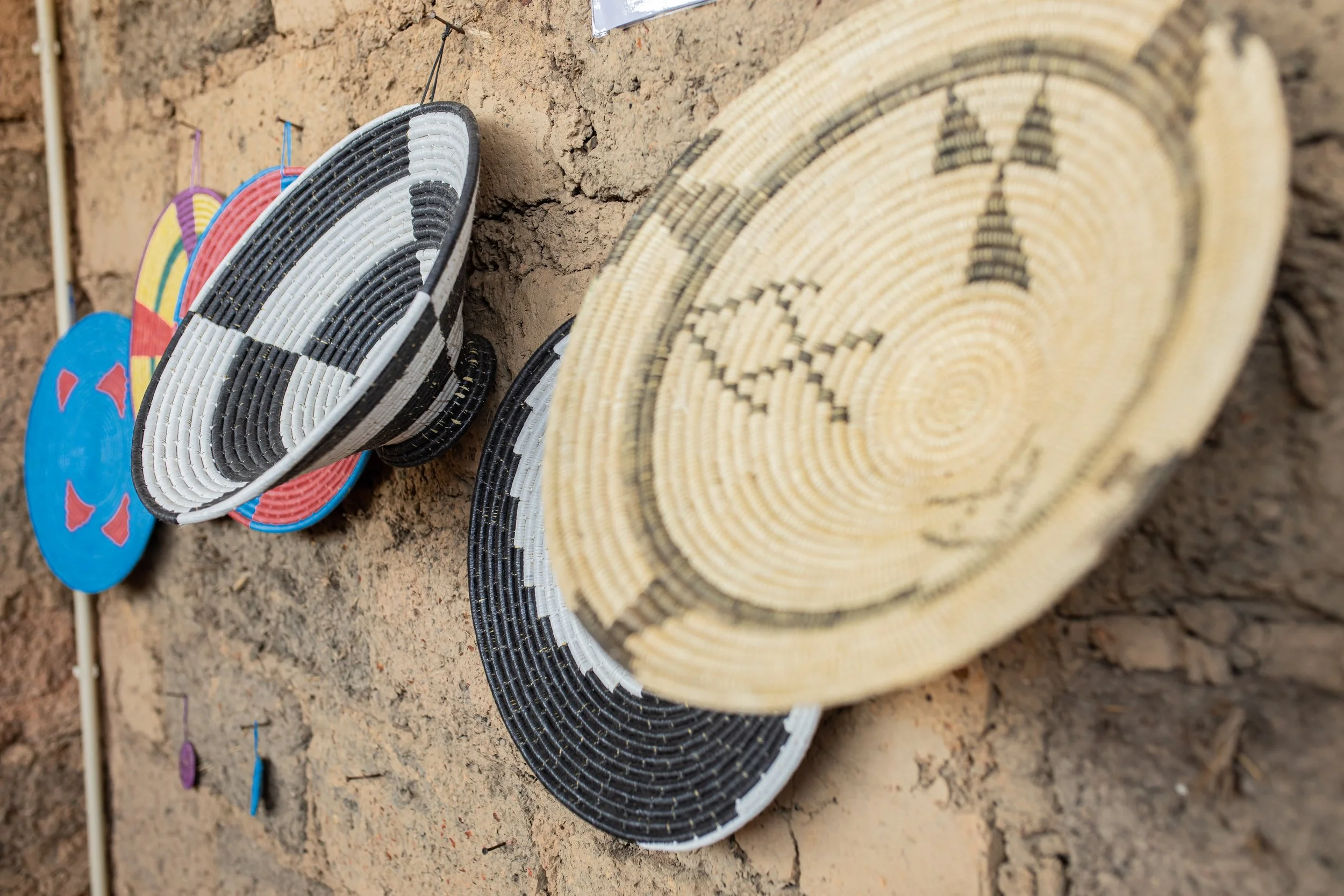
Sustainable Production, Governance, and Community Impact
-
A community-powered engine for income, conservation, and climate resilience, that would:
Support +1000 lead beekeepers in the region
Deploy 300–500 hives with local cooperatives
Produce 8–12 metric tons of specialty honey annually
Supply Value-added by-products: beeswax and propolis
And provide export-ready quality standards: moisture ≤ 18%, residue-free production, and international-grade packaging
-
• Clear by-laws; transparent revenue sharing; female leadership quotas.
• Digital lot tracking/traceability from hive to jar.
• Fire management & forest stewardship in annual workplans.
-
• Members earn from raw honey sales and premiums for quality & traceability.
• Center captures margin on value addition.
• Local retail + institutional buyers + export via Lobito Corridor.
-
• Bees incentivize forest protection, no trees, no honey.
• Documented pollination benefits to home gardens & orchards.
• Community monitors report on nesting trees, fire breaks, and riverine buffers.
Goals
-
Development
• 300+ producers trained.
• +30–50% income uplift for participants.
-
Biodiversity
• 2k+ community stewardship agreements.
• Fire incidents reduced.
• Wild pollinators habitats mapped.
-
Markets
• Export-ready lots.
• School & tourism channels supplied.
Goals
-
Development
• 300+ producers trained.
• +30–50% income uplift for participants.
-
Biodiversity
• 2k+ community stewardship agreements.
• Fire incidents reduced.
• Wild pollinators habitats mapped.
-
Markets
• Export-ready lots.
• School & tourism channels supplied.

What your support can fund:
Hives & starter kits • Processing line & quality lab • Women & youth scholarships
Field training & safety gear • Cooperative governance & traceability systems
$10k
Equip a cooperative cohort.
$25k
Install a processing line module.
$50k
Name the Apiculture Training Room and fund 1 year of operations.
$200k
Build the Beekeeping Center.
The Conservation Node
The conservation node will unite traditional ecological knowledge and modern conservation science to drive locally led biodiversity protection, research, and community engagement. This work is urgent as forest degradation, hunting, and climate change accelerate biodiversity loss, threatening species like the pangolin while local communities lack the resources to protect their ecosystems.
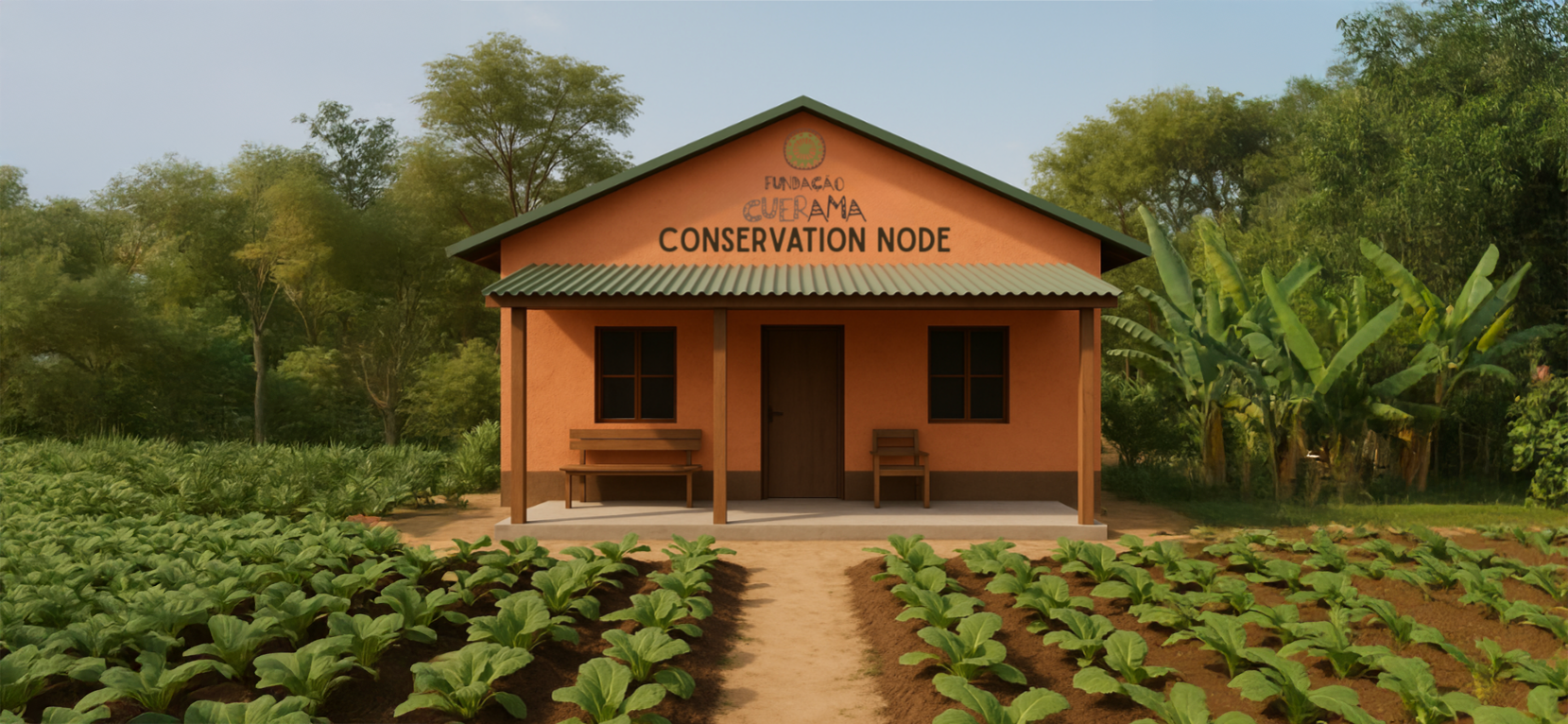
AI generated image of the Conservation Node
The concept
-
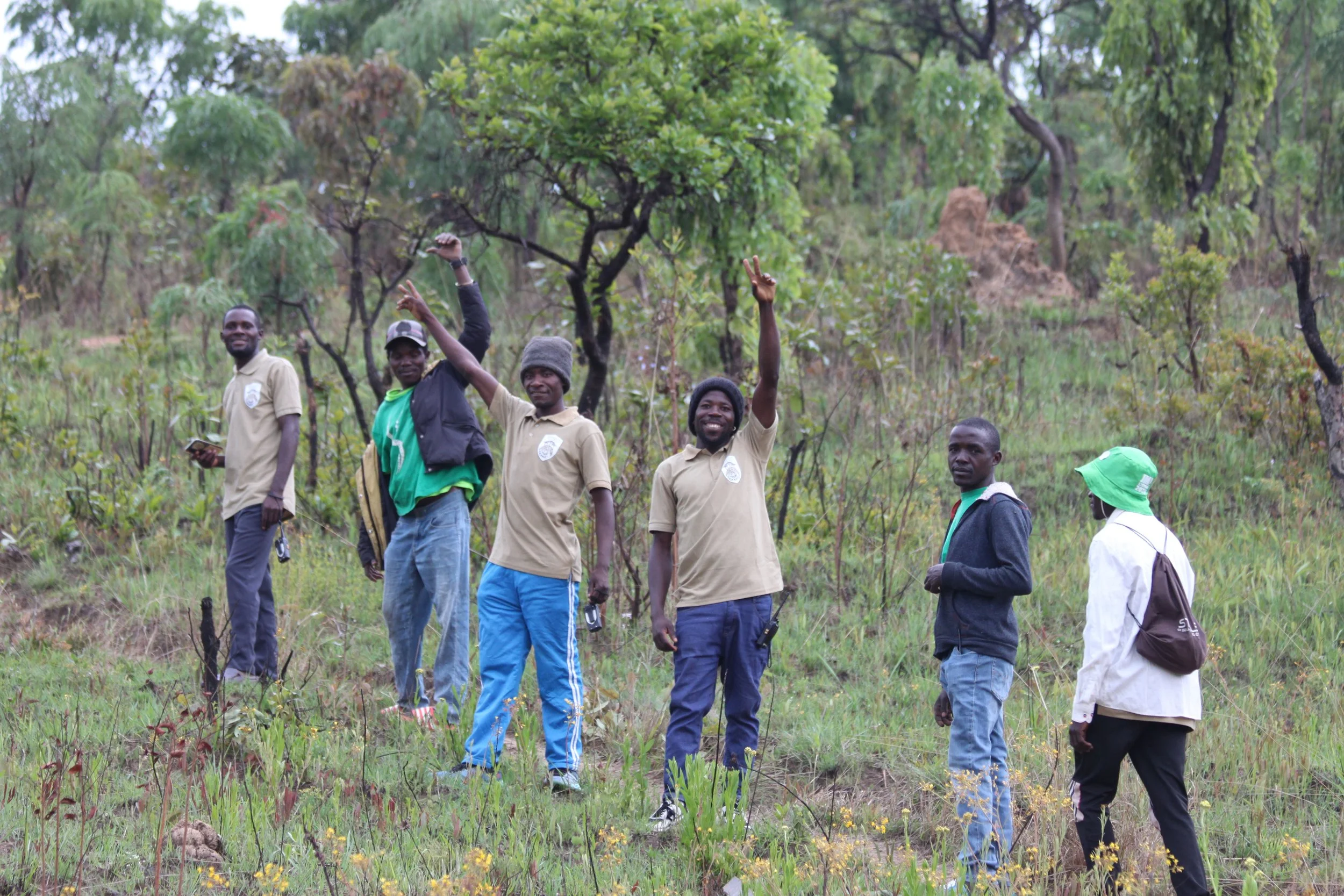
Education & Training Hub
• A space for environmental workshops and youth clubs such as Garden Club and Conservation Club.
• Training for Forest Guardians, women, and farmers.
Image: Youth from the conservation club -
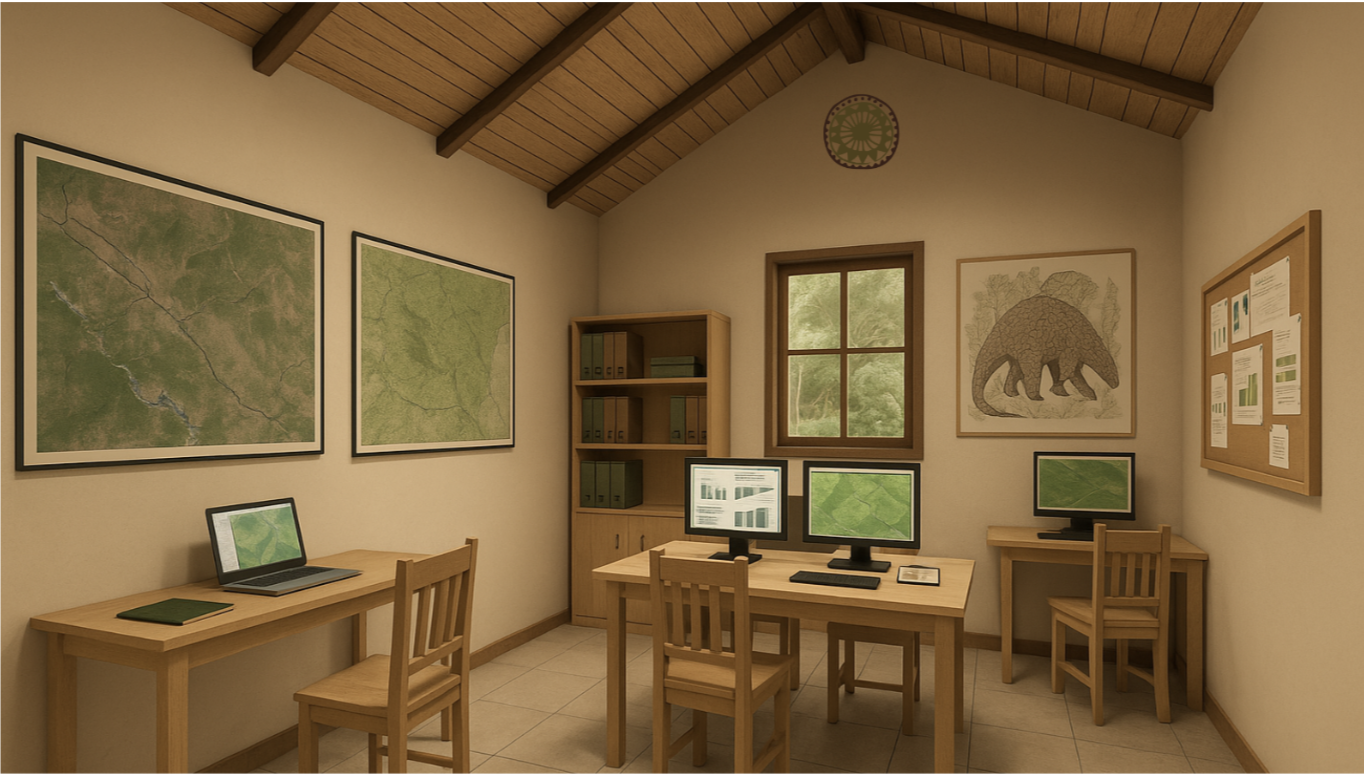
Wildlife & Biodiversity Monitoring Station
• Equipped for field mapping, data collection, and partnerships with INBAC.
• Research institutions for pangolin and forest monitoring.
AI-Generated Image: Monitoring station
The concept
-
Education & Training Hub
• A space for environmental workshops and youth clubs, including the Garden Club and Conservation Club.
• Training for Forest Guardians, women, and farmers.
Image: Youth from the conservation club -
Wildlife & Biodiversity Monitoring Station
• Equipped for field mapping, data collection, and partnerships with INBAC.
• Research institutions for pangolin and forest monitoring.
AI-Generated Image: Monitoring station
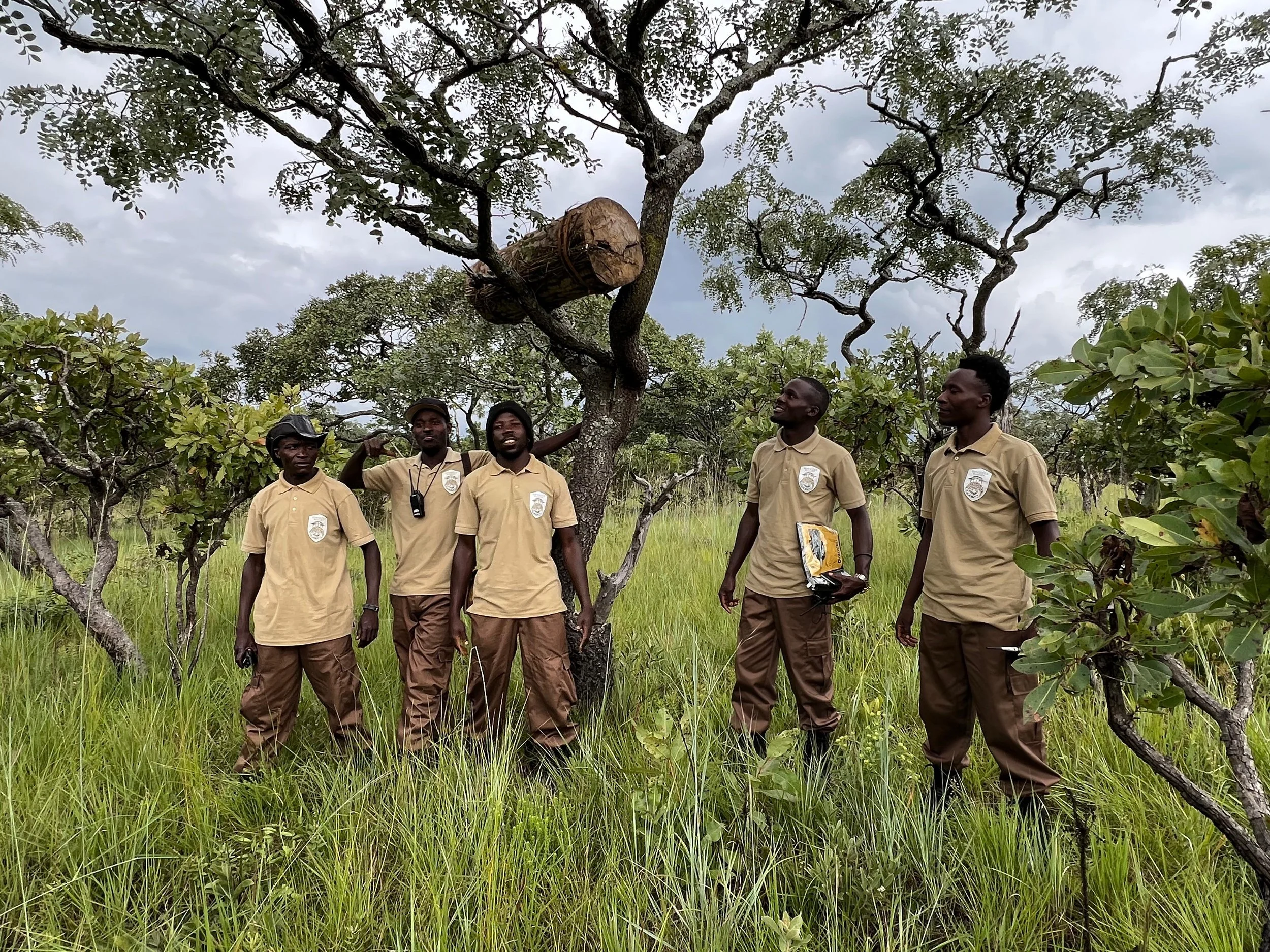
Forest Guardians in action
Forest Guardians
Local initiative that trains youth and community members to map land under traditional management. It’s a group of volunteers, some former poachers.
Trained to act as agents of awareness, implementation, and advocacy, blending TEK with innovative approaches.
Your support will equip the Forest Guardians with new tools, professionalize them, to strengthen climate literacy, and to link local voices to national and global frameworks.
We are seeking strategic partners and donors to fund the establishment of the Conservation Node’s infrastructure, training programs, and community activities.
By supporting the Conservation node, you will:
-
Protect
Critical forest ecosystems and endangered species, including pangolins.
-
Support
Communities through training, income, and locally-led research.
-
Establish
A replicable model for nature-positive development across rural Angola.
-
Advance
Angola’s biodiversity and climate commitments.
-
Protect
Critical forest ecosystems and endangered species, including pangolins.
-
Support
Communities through training, income, and locally-led research.
-
Establish
A replicable model for nature-positive development across rural Angola.
-
Advance
Angola’s biodiversity and climate commitments.
Your support can help us achieve these goals:
$10k
Equip a team of Forest Guardians with field gear and climate literacy training.
$25k
Support the Wildlife & Biodiversity Monitoring Station.
$50k
Knowledge exchange program for conservation education led by the Forest Guardians.
$250k
Fund the entire construction and setup of the Conservation Node, with naming recognition available.